
A Brief History of BACCO-USA
Bambui is a vibrant and culturally rich town located just west of Bamenda, the capital of Cameroon’s North West Region in West Africa. Situated at approximately latitude 6°02′59′′ N and longitude 10°13′59′′ E, Bambui experiences a tropical monsoon climate and serves as the administrative headquarters of the Tubah Subdivision. With an estimated population of over 60,000 welcoming residents, Bambui is a center of education and community life.
The town is home to several prominent institutions of higher learning, including The University of Bamenda, St. Thomas Aquinas Major Seminary, the Dominican Sisters Convent, the Sisters of Christ Convent, the Regional College of Agriculture, the Presbyterian Rural Training Center Fontah, and the National Polytechnic Bambui. In addition, numerous public and private primary and secondary schools contribute to its strong educational foundation.
Over the years, Bambui indigenes have established vibrant communities across Cameroon—particularly in Bamenda, Yaoundé, Douala, Bafoussam, Limbe, and Buea—and increasingly across the global diaspora. The 21st century has seen significant migration to countries such as the United Kingdom, South Africa, Canada, various parts of Europe, the Middle East, and the United States.
Formation of BACCO-USA
Prior to 1990, only a handful of Bambui indigenes resided in the United States. However, the late 1990s and early 2000s saw gradual growth in this population, driven by family reunification, educational pursuits, and evolving economic and political conditions in Cameroon.
Guided by the enduring principle “Unity is Strength,” members of the diaspora recognized the need for a unified platform to preserve their cultural identity and foster collective development. This vision led to the conceptualization of an organized community association in the United States.
The idea formally took shape on June 11, 2005, during a wedding ceremony in Lansing, Michigan. What began as a social gathering evolved into a historic moment of realization—there were now enough Bambui indigenes in the U.S. to form a structured organization. Visionaries including the late Arthur Bonu, Jonathan Ngong (Massing), and Jude Fang committed themselves to bringing this idea to life.
Following extensive outreach and consultations across cities such as Milwaukee and Minnesota, a broader network of members was mobilized. Despite an initial setback caused by the untimely passing of Arthur Bonu, the founding members remained resolute.
Inauguration and Early Growth
The inaugural meeting was successfully held on August 6, 2006, at the residence of Mr. Felix Amungwafor in Milwaukee, Wisconsin. Founding members present included Agatha Munu, Jude Fang, Larry Abube, Ferdinand Amungwafor, Mr. & Mrs. Felix Amungwafor, Callistus Tamanji, Paul Bejingsi,
Vera Bejingsi, and Zac Angafor.
The organization was initially named Bambui Community in the United States (BACO-USA). A constitution was drafted and adopted ahead of the first official convention in 2007. The pioneer executive team included:
• Dr. Tamanji – President
• Ndi Emmerentia F. Dinga – Vice President • Jude Fang – Secretary General
• Mr. Felix Amungwafor – Treasurer
• Paul Bejingsi – Public Secretary
In 2007, members voted to revise the name to Bambui Cultural Community in the United States (BACCO-USA), reflecting a stronger commitment to cultural preservation. The organization subsequently obtained official recognition from the IRS in 2008.
Expansion and Institutional Development
BACCO-USA held its first convention in 2007 in Silver Spring, Maryland. As membership grew, a unanimous decision was made to transition from home-based gatherings to formal convention venues. Minnesota became the first branch to host a convention in a rented hall in 2008.
Over time, the organization expanded its footprint with the establishment of multiple chapters, including: • Milwaukee (Wisconsin)
• Michigan
• Minnesota/Wisconsin (merged chapter)
• Washington, DC (DMV)
• Texas (later expanded into Houston and Austin branches) • Boston/New York
• Arizona
Annual conventions became a hallmark of BACCO-USA’s activities, rotating across chapters to strengthen unity and engagement nationwide.
Milestones and Achievements
A major highlight in BACCO-USA’s history occurred in 2012, when the organization hosted His Royal Highness Angafor Mombo-oh III during his first visit to the United States, alongside Queen Natalia (of
blessed memory) and Mr. John Nchami, then Chairperson of the Bambui Traditional Council. This historic visit reinforced the cultural bridge between the diaspora and the homeland.
In 2016, BACCO-USA celebrated its 10th Anniversary in Milwaukee, marking a decade of unity, cultural preservation, and community development.
From humble beginnings with just a handful of members, the organization has grown to over 100 active members as of 2025, continuing to expand its reach and impact.
Convention Timeline (Selected Years)
• 2006 – Milwaukee
• 2007 – DMV (Silver Spring, MD)
• 2008 – Minnesota
• 2009 – Michigan
• 2011 – Milwaukee
• 2012 – DMV
• 2013 – Houston
• 2016 – Milwaukee (10th Anniversary) • 2018 – Houston
• 2019 – DMV
• 2022 – Austin
• 2023 – Milwaukee
• 2024 – Boston/New York
• 2025 – Houston
• 2026 – Michigan
Past Presidents of BACCO-USA
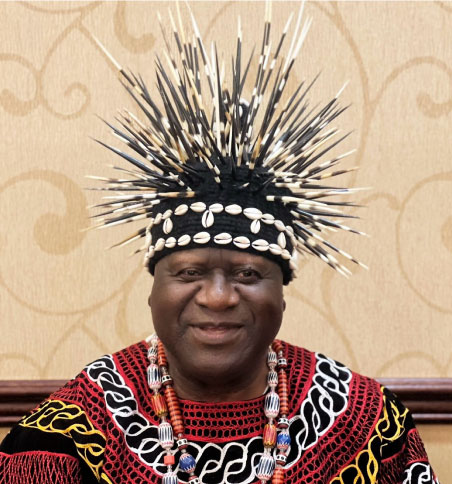
Dr. Tamanji
( 2006–2012 )
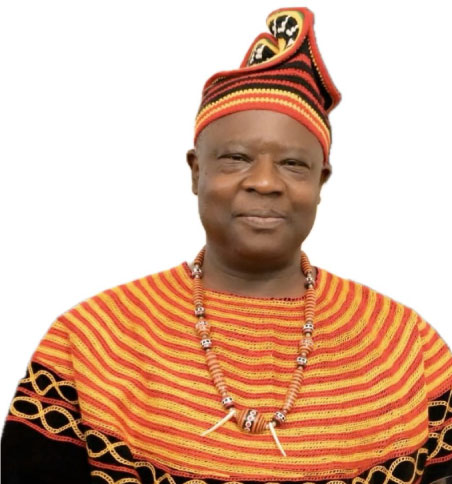
Mr. Jude Fang
(2012–2018)
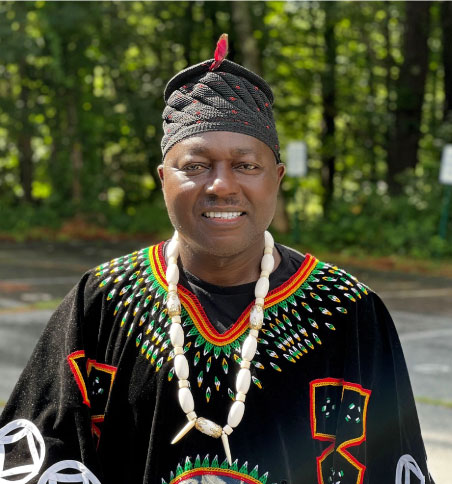
Collins Tabifor
(2012–2018)

Mr. Gerald Muchu (2012–2018)
Conclusion
BACCO-USA stands today as a strong and united diaspora organization committed to preserving Bambui’s rich cultural heritage while promoting community development and global engagement. Rooted in the principle of unity, the organization continues to serve as a bridge between Bambui and its diaspora, empowering members and contributing meaningfully to the growth and wellbeing of the community.
Written by Mr. Jude Fang ( BACCO 2nd President and Founding Member)